Korean Bibimbap
Highlighted under: International Planning
Korean Bibimbap is a vibrant and nutritious dish that combines a variety of vegetables, proteins, and rice, topped with a fried egg and spicy gochujang sauce.
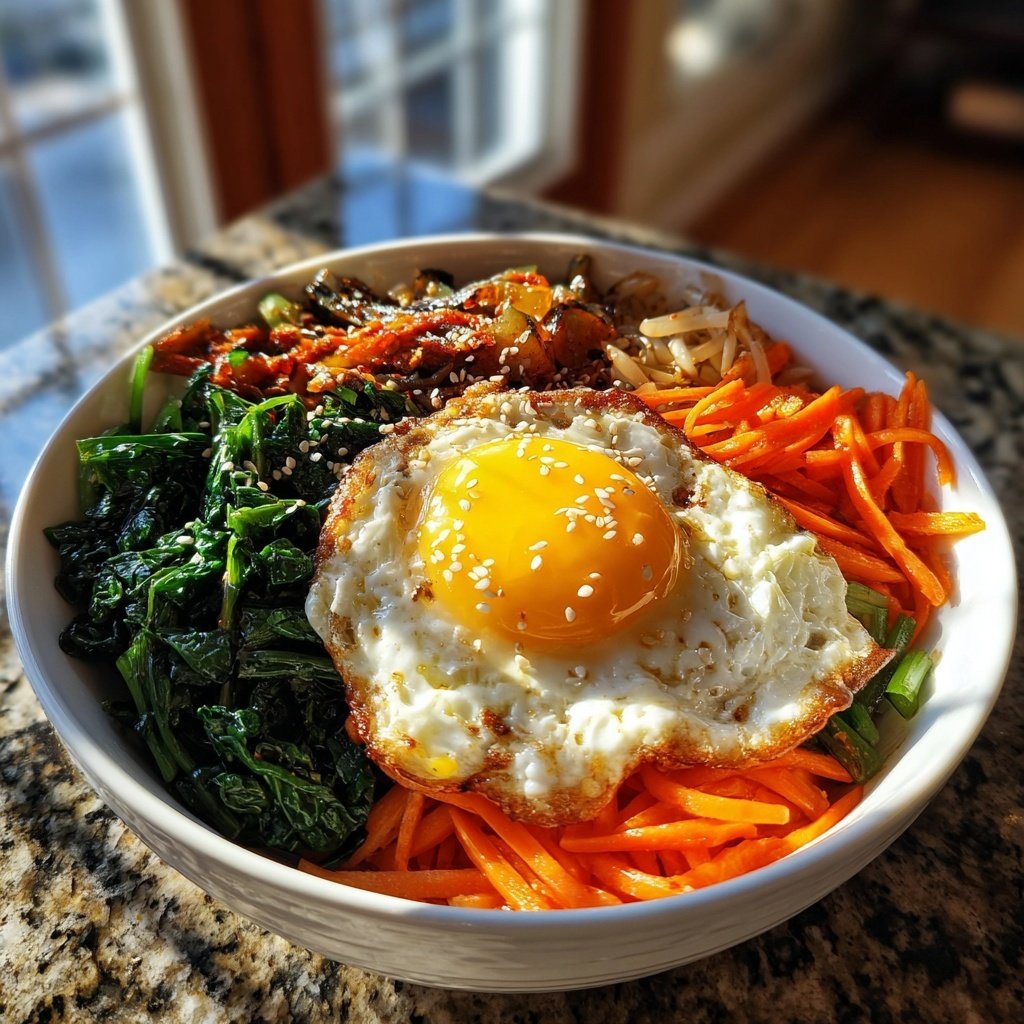
Korean Bibimbap is not just a meal; it's an experience. Originating from Korea, this dish is a colorful mix of vegetables, proteins, and the ever-important rice, all harmoniously combined to create a delicious and fulfilling dish.
Why You Will Love This Recipe
- A colorful and visually appealing dish that excites the senses
- Packed with fresh vegetables and flavors for a healthy meal
- Customizable with your choice of proteins and spices
The Essence of Bibimbap
Bibimbap, a staple in Korean cuisine, translates to 'mixed rice'. This dish beautifully combines a variety of ingredients that are as pleasing to the eye as they are to the palate. Traditionally served in a hot stone bowl, the rice develops a crispy bottom while the vegetables, proteins, and spicy gochujang sauce create a symphony of flavors and textures. Whether it's for a family dinner or a casual lunch, bibimbap is a dish that brings people together.
The key to an authentic bibimbap lies in its fresh ingredients. Each vegetable contributes its unique flavor and nutritional benefits, making this dish not only delicious but also packed with vitamins and minerals. From the earthy taste of shiitake mushrooms to the crunchy freshness of bean sprouts, every component plays a vital role in creating a harmonious meal.
Customizing Your Bibimbap
One of the best aspects of bibimbap is its versatility. You can easily customize it to suit your dietary preferences or what you have on hand. For a vegetarian version, simply omit the egg or replace it with tofu for added protein. If you're looking to include meat, options like bulgogi (marinated beef) or grilled chicken are excellent choices that enhance the dish's flavor profile.
Feel free to experiment with different vegetables, too. Popular additions include radishes, cucumbers, and even sweet potatoes. Each ingredient can be prepared in various ways—blanched, sautéed, or pickled—to add diverse textures and tastes. The possibilities are endless, making bibimbap a fun and creative meal to prepare.
Serving and Enjoying Bibimbap
When it comes to serving bibimbap, presentation is key. Arrange the vibrant vegetables in a visually appealing manner on top of the rice before adding the fried egg. This not only enhances the dish's beauty but also invites diners to dig in. Don't forget to drizzle generous amounts of gochujang for that signature spicy kick that ties all the flavors together.
To enjoy bibimbap fully, mix all the ingredients together just before eating. This ensures that each bite is a delightful blend of flavors, textures, and heat. Pair it with a side of kimchi or pickled vegetables to elevate the meal further. With its colorful presentation and rich taste, bibimbap is sure to impress anyone at your dining table.
Ingredients
For the Bibimbap
- 2 cups cooked rice
- 1 cup spinach, blanched
- 1 cup bean sprouts, blanched
- 1 carrot, julienned
- 1 zucchini, julienned
- 1 cup shiitake mushrooms, sliced
- 2 eggs
- 2 tablespoons sesame oil
- Salt, to taste
- Gochujang (Korean chili paste), to taste
For Garnish
- Sesame seeds
- Green onions, sliced
Feel free to mix and match the vegetables and proteins according to your preference!
Instructions
Prepare the Vegetables
In a hot pan, add sesame oil and stir-fry the zucchini and carrots until tender. Season with a pinch of salt. Remove and set aside.
Cook the Mushrooms
In the same pan, add a little more sesame oil and sauté the shiitake mushrooms until they're golden brown. Set aside.
Fry the Eggs
In a separate pan, fry the eggs sunny side up until the whites are set but the yolk is still runny.
Assemble the Bibimbap
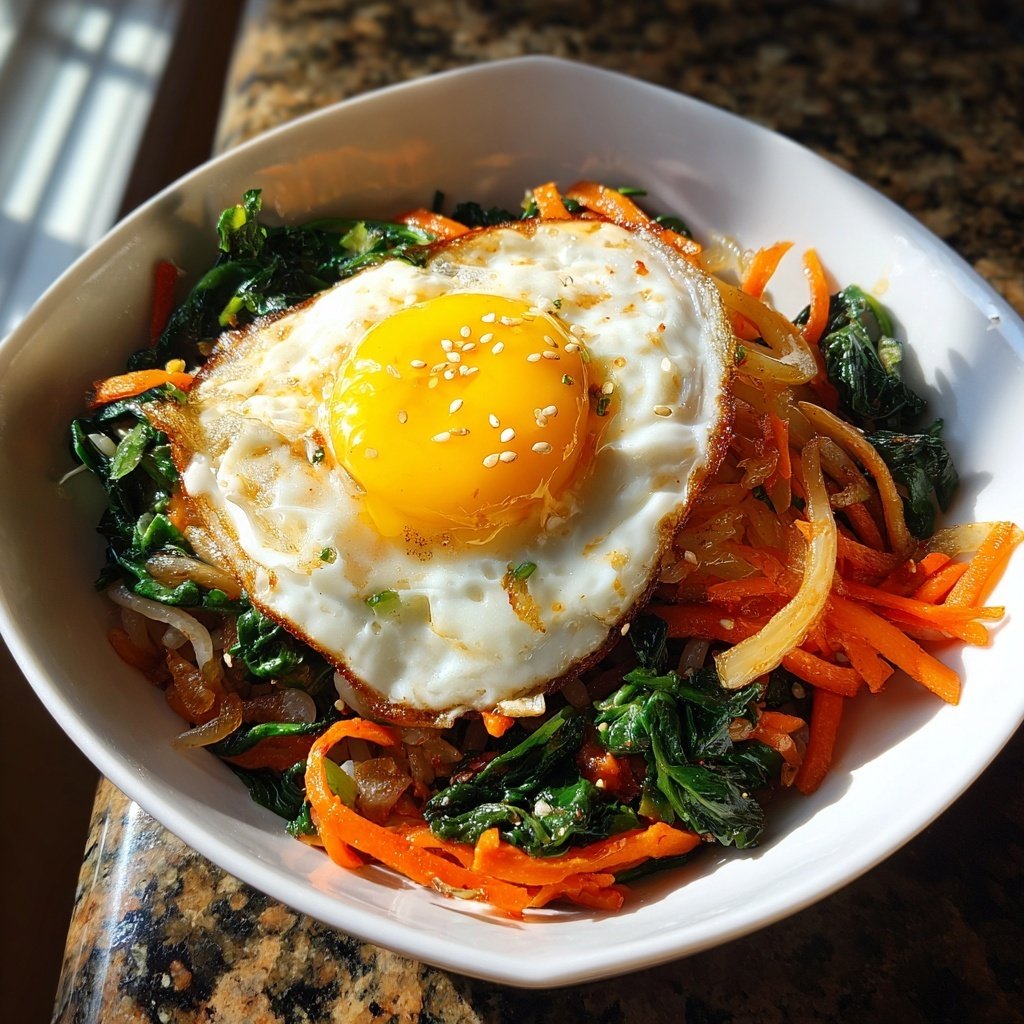
In a bowl, place a serving of rice as the base, and arrange the prepared vegetables, spinach, and bean sprouts on top. Place the fried egg in the center.
Serve
Drizzle with gochujang and sprinkle sesame seeds and green onions on top. Mix everything together before enjoying!
Enjoy your homemade bibimbap with your choice of side dishes!
Pro Tips
- Try adding your favorite protein such as beef, chicken, or tofu for added flavor and nutrition.
Nutritional Benefits of Bibimbap
Korean bibimbap is not just a feast for the eyes; it's also a powerhouse of nutrition. The dish is loaded with a variety of vegetables, each offering distinct health benefits. Spinach, for instance, is rich in iron and vitamins A and C, while carrots provide a good dose of beta-carotene, essential for eye health. The inclusion of mushrooms adds antioxidants, making this dish a well-rounded option for health-conscious eaters.
Moreover, the use of brown rice instead of white rice can enhance the meal's fiber content, promoting digestive health. The protein from the eggs or any added meat contributes to muscle repair and growth, making bibimbap a balanced meal suitable for all ages.
Gochujang: The Heart of Bibimbap
Gochujang, or Korean chili paste, is the heart and soul of bibimbap. This fermented condiment adds a depth of flavor that is both spicy and slightly sweet. Its unique umami profile elevates the dish, making it addictive and satisfying. When selecting gochujang, look for high-quality brands that use natural ingredients for the best flavor.
In addition to bibimbap, gochujang can be used in various dishes, including marinades, stews, and even salad dressings. Its versatility makes it a staple in many households, and once you try it, you'll want to keep it on hand for all your culinary adventures.
Questions About Recipes
→ Can I make bibimbap vegan?
Yes! Simply replace the egg with tofu and ensure the gochujang is vegan.
→ What other vegetables can I use?
You can use any vegetables you like, such as bell peppers, radishes, or broccoli.
→ Can I prepare bibimbap in advance?
Yes, you can prepare the vegetables and rice ahead of time, just assemble before serving.
→ What can I substitute for gochujang?
You can use Sriracha or another chili paste, but the flavor will be different.
Korean Bibimbap
Created by: Fern Holloway
Recipe Type: International Planning
Skill Level: Intermediate
Final Quantity: 2 servings
What You'll Need
For the Bibimbap
- 2 cups cooked rice
- 1 cup spinach, blanched
- 1 cup bean sprouts, blanched
- 1 carrot, julienned
- 1 zucchini, julienned
- 1 cup shiitake mushrooms, sliced
- 2 eggs
- 2 tablespoons sesame oil
- Salt, to taste
- Gochujang (Korean chili paste), to taste
For Garnish
- Sesame seeds
- Green onions, sliced
How-To Steps
In a hot pan, add sesame oil and stir-fry the zucchini and carrots until tender. Season with a pinch of salt. Remove and set aside.
In the same pan, add a little more sesame oil and sauté the shiitake mushrooms until they're golden brown. Set aside.
In a separate pan, fry the eggs sunny side up until the whites are set but the yolk is still runny.
In a bowl, place a serving of rice as the base, and arrange the prepared vegetables, spinach, and bean sprouts on top. Place the fried egg in the center.
Drizzle with gochujang and sprinkle sesame seeds and green onions on top. Mix everything together before enjoying!
Extra Tips
- Try adding your favorite protein such as beef, chicken, or tofu for added flavor and nutrition.
Nutritional Breakdown (Per Serving)
- Calories: 550 kcal
- Total Fat: 22g
- Saturated Fat: 5g
- Cholesterol: 186mg
- Sodium: 480mg
- Total Carbohydrates: 78g
- Dietary Fiber: 6g
- Sugars: 5g
- Protein: 16g