Large Backyard Chicken Run
Highlighted under: Fast Planning
I’ve always dreamed of having my own chickens, and building a large backyard chicken run fulfilled that dream! Creating a safe, spacious environment for them was my top priority. I wanted to ensure they have plenty of room to roam and explore while being protected from predators. With a few simple materials and some elbow grease, I crafted a comfortable and secure living area for my feathered friends. It’s been rewarding to watch them thrive and enjoy their new home every day!
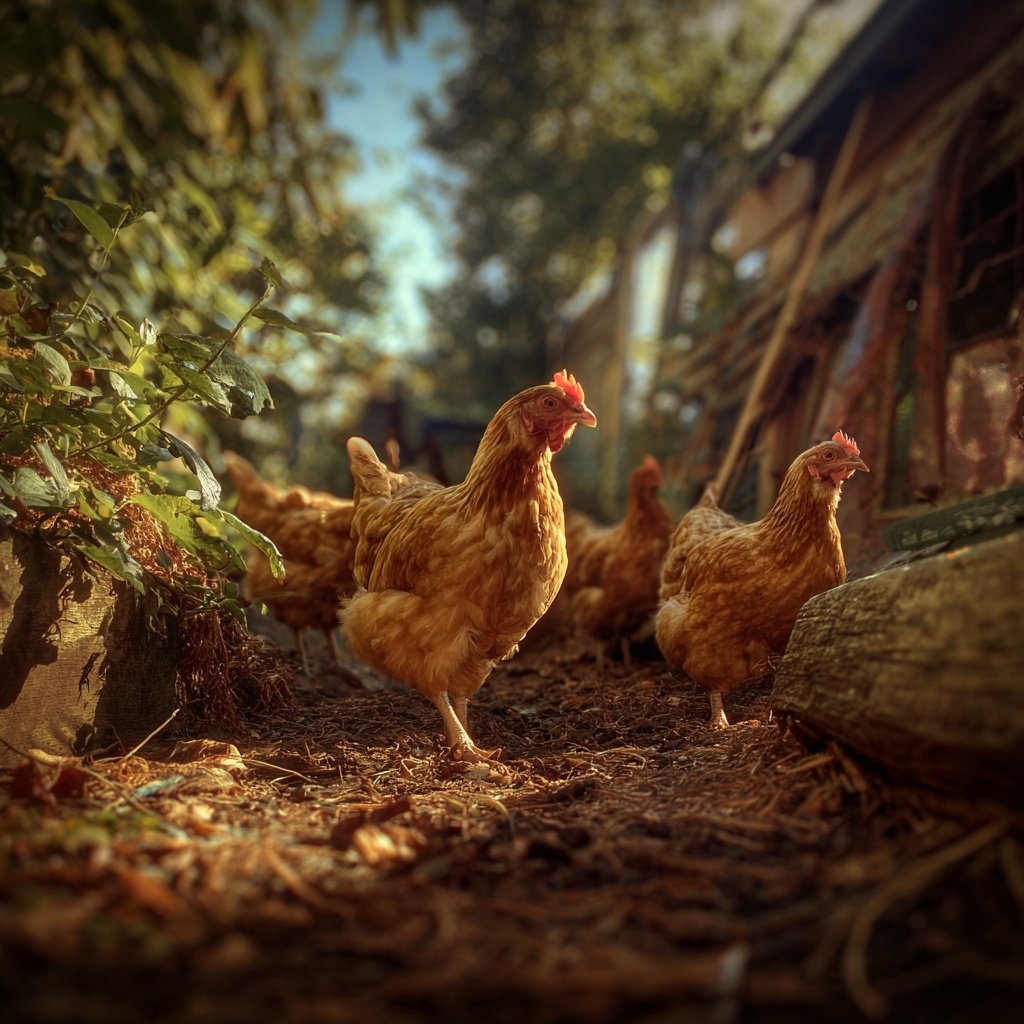
When I decided to build a large backyard chicken run, I knew I wanted it to be both functional and aesthetically pleasing. I started by researching materials that could withstand the elements while providing safety for the chickens. After selecting sturdy fencing and a solid roof, I discovered the importance of ventilation to keep the air fresh inside.
As I worked on the project, I found that incorporating natural elements, like shrubs and dust baths, enhanced the chickens' happiness and health. This thoughtful planning not only resulted in a beautiful space but also helped create a nurturing environment for my chickens to thrive.
Why You Will Love This Chicken Run
- A secure and spacious environment for your chickens
- Easy to customize based on your backyard layout
- Enhances your backyard aesthetics while being functional
Design Considerations
When planning your chicken run, size is key. A general rule of thumb is to allocate at least 10 square feet per chicken for a run. This spacious environment gives them the freedom to roam, scratch, and engage in natural behaviors. Additionally, think about the design's shape; a rectangular layout can be easier to build and manage compared to more complex shapes. Incorporate a shaded area within the run to protect your chickens from direct sunlight during hot days.
Also, account for nesting boxes within your design. Chickens prefer to lay eggs in secluded and quiet places. When choosing spots for nesting boxes, aim for locations that are easily accessible to both the hens and yourself for egg collection. Each box should measure about 12x12 inches and be about 18 inches off the ground to keep the eggs safe from potential predators.
Material Selection
Choosing the right materials is crucial for the longevity of your chicken run. Chicken wire, although lightweight and cost-effective, may not be the most secure option against determined predators. Consider using hardware cloth for the walls, as it offers superior strength and can prevent small animals from getting through. Each frame needs to be made from treated wood to resist rot; if you are in a wet climate, selecting cedar or redwood can significantly enhance durability.
Building your run with high-quality materials not only protects your chickens but saves you time and money in the long run. For roofing, opt for sturdy options like corrugated metal or shingles that can withstand weather elements. Additionally, waterproofing your wooden posts will further ensure their longevity, helping you avoid premature replacement due to decay.
Ingredients
Materials Needed
- Chicken wire
- Wooden posts
- Nails and screws
- Roofing materials
- Hinges for doors
- Latches
- Natural elements (bushes, dust, etc.)
Instructions
Follow these steps to create a large backyard chicken run that your feathered friends will love!
Planning Your Design
Begin by sketching the layout of your chicken run. Consider how many chickens you plan to have and what features you want to include, such as nesting boxes and shade.
Gathering Materials
Collect all the necessary materials based on your design. Be sure to choose high-quality supplies to ensure durability.
Building the Frame
Start by constructing the frame using wooden posts. Ensure it is sturdy enough to withstand winter storms or predator attempts.
Installing the Walls and Roof
Attach the chicken wire to the frame securely, covering all sides, and install a roof using the chosen materials to protect from rain and sun.
Adding Doors and Security Features
Install a door with secure latches and hinges for easy access. Ensure the run is fully enclosed to keep predators out.
Creating a Comfortable Habitat
Add natural elements like shrubs and dust baths inside the run to provide a comfortable and enriching environment for your chickens.
Once the run is complete, introduce your chickens slowly and monitor their adjustment to their new home.
Pro Tips
- Make sure to place the chicken run in an area with good drainage to prevent flooding, and remember to regularly check for any damages or repairs needed.
Landscaping Ideas
Incorporating natural elements like bushes and dust baths into the chicken run can greatly enhance the well-being of your chickens. Not only do bushes provide shade and protection, but they also create a more stimulating environment. Chickens love to forage, and by planting some grassy patches within the run, you're giving them a chance to engage in natural foraging behaviors that keep them healthy and happy.
Dust baths are essential for your chickens' feather care. Designate a small area of the run with a mix of sand and diatomaceous earth, allowing them to indulge in dust bathing, which helps keep mites and lice at bay. Aim for around two square feet of bathing space per chicken, as they often enjoy this activity together and will appreciate the room.
Seasonal Maintenance
Maintaining your chicken run year-round is essential for the health of your flock. During spring and summer, regularly check for signs of wear or damage, particularly in the fencing and roofing. Invest some time in cleaning the run every few weeks, removing any waste and replacing bedding materials. This will help control any unpleasant odors and keep the environment hygienic, reducing the risk of illness.
In winter, ensure your run is well protected against harsh weather. Adding windbreaks, such as tarpaulins or additional fencing, will shelter your chickens from cold drafts. Consider laying down straw or wood chips on the ground to insulate their feet and provide a warmer area to scratch. Regularly monitor the run for any freezing conditions—that way, you can adjust your setup to keep your chickens comfortable and safe.
Questions About Recipes
→ How much space do chickens need?
Each chicken requires a minimum of 4 square feet of space within the run.
→ What can I do to protect my chickens from predators?
Ensure that your run is covered with strong chicken wire and has no gaps for predators to get in.
→ How often should I clean the chicken run?
You should clean the chicken run at least once a week, removing waste and replacing bedding.
→ Can I let my chickens free-range?
Free-ranging is possible, but you must supervise them to prevent them from wandering off or encountering dangers.
Large Backyard Chicken Run
What You'll Need
Materials Needed
- Chicken wire
- Wooden posts
- Nails and screws
- Roofing materials
- Hinges for doors
- Latches
- Natural elements (bushes, dust, etc.)
How-To Steps
Begin by sketching the layout of your chicken run. Consider how many chickens you plan to have and what features you want to include, such as nesting boxes and shade.
Collect all the necessary materials based on your design. Be sure to choose high-quality supplies to ensure durability.
Start by constructing the frame using wooden posts. Ensure it is sturdy enough to withstand winter storms or predator attempts.
Attach the chicken wire to the frame securely, covering all sides, and install a roof using the chosen materials to protect from rain and sun.
Install a door with secure latches and hinges for easy access. Ensure the run is fully enclosed to keep predators out.
Add natural elements like shrubs and dust baths inside the run to provide a comfortable and enriching environment for your chickens.
Extra Tips
- Make sure to place the chicken run in an area with good drainage to prevent flooding, and remember to regularly check for any damages or repairs needed.
Nutritional Breakdown (Per Serving)
- Calories: 0 kcal
- Total Fat: 0g
- Saturated Fat: 0g
- Cholesterol: 0mg
- Sodium: 0mg
- Total Carbohydrates: 0g
- Dietary Fiber: 0g
- Sugars: 0g
- Protein: 0g