Smoothie Recipes With Frozen Fruit
Highlighted under: Fresh Planning
I love creating smoothies with frozen fruit because they bring a burst of flavor and vibrant color to each glass. The icy texture blended with creamy elements makes each sip refreshing and satisfying. Whether it's breakfast or a midday snack, these smoothies are quick and easy to make, using ingredients I typically keep stocked in my freezer. I’m excited to share some of my favorite combinations that will keep you rejuvenated and energized throughout the day!
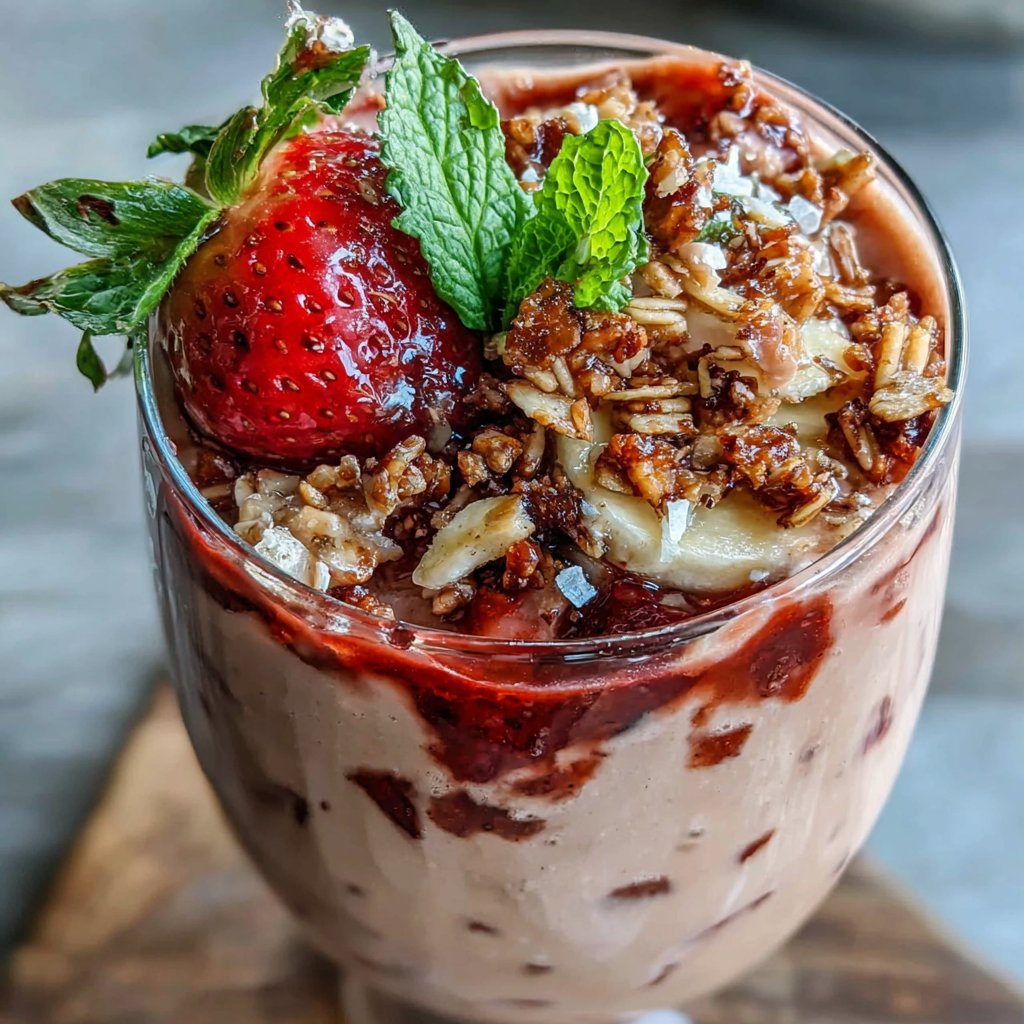
Last week, I experimented with different frozen fruits to see how they would blend together, and I discovered some amazing combinations. I found that using a banana as a base creates a creamy consistency without needing any dairy. I also added a handful of spinach for a nutrient boost and was thrilled that it didn’t alter the flavor one bit!
What I love most is how quickly these smoothies come together. With only about ten minutes of prep, I can have a delicious and healthy drink ready to go. Adding in some yogurt or protein powder takes the nutrition up a notch, making it a complete meal replacement.
Why You'll Love This Recipe
- Endless flavor combinations that suit any palate
- Quick prep time makes it easy for busy mornings
- A healthy way to incorporate more fruits into your diet
Choosing the Right Frozen Fruit
Selecting the right frozen fruit can significantly enhance your smoothie experience. Each type of fruit contributes different flavors and nutritional benefits. For instance, blueberries are packed with antioxidants, while mangoes add a tropical sweetness. If you're unsure which fruit to pair, start with mixed berries as they offer balanced flavors and vibrant colors. You can also experiment with seasonal fruits; just ensure they are frozen at their peak for optimal taste.
It’s also essential to consider sweetness levels when combining fruits. If you prefer a less sweet smoothie, opt for tart fruits like raspberries or add greens such as spinach, which complements the sweetness without overpowering it. Combining fruits with varying textures can also create a delightful mouthfeel—for example, pairing creamy bananas with crunchy frozen peaches.
Texture and Consistency Tips
Achieving the perfect smoothie texture is key to an enjoyable drink. The base of banana and yogurt provides creaminess, while the frozen fruits add an icy consistency. If your smoothie is too thick, you can adjust it by adding more liquid gradually, such as almond milk, ensuring you blend again after each addition for thorough mixing. I recommend checking the consistency after each splash; it should be pourable but thick enough to hold a spoon upright.
Also, keep in mind that blending time affects texture. Blend on high until the mixture is completely smooth and glossy, usually 30 to 60 seconds, depending on your blender's power. If you notice any lumps, continue blending in short bursts until they're fully incorporated. Having a high-quality blender makes a noticeable difference in achieving a smooth finish.
Serving Suggestions and Variations
Presentation can elevate your smoothie experience. Pour your smoothie into a chilled glass; not only does it look appealing, but it also keeps your drink cold for longer. You can enhance the visual appeal by garnishing with fresh fruit slices, coconut flakes, or a sprinkle of granola on top. These textures add crunch and visual interest, making your smoothie not only tasty but also Instagram-worthy!
For those looking to mix things up, try introducing unexpected ingredients like a tablespoon of nut butter for added protein, or a scoop of protein powder if you’re preparing it as a post-workout snack. You may also explore using different liquids, such as coconut water or oat milk, which can change the flavor profile and nutritional content. Feel free to experiment with spices like cinnamon or a handful of nuts for a unique twist.
Ingredients
Gather these ingredients for a delicious smoothie.
Base Ingredients
- 1 banana, frozen
- 1 cup spinach (optional)
- 1 cup yogurt (or plant-based alternative)
- 1 cup almond milk (or any milk of choice)
Frozen Fruits
- 1 cup mixed berries: strawberries, blueberries, raspberries
- 1 cup mango chunks
- 1 cup pineapple chunks
- 1/2 cup peaches, frozen
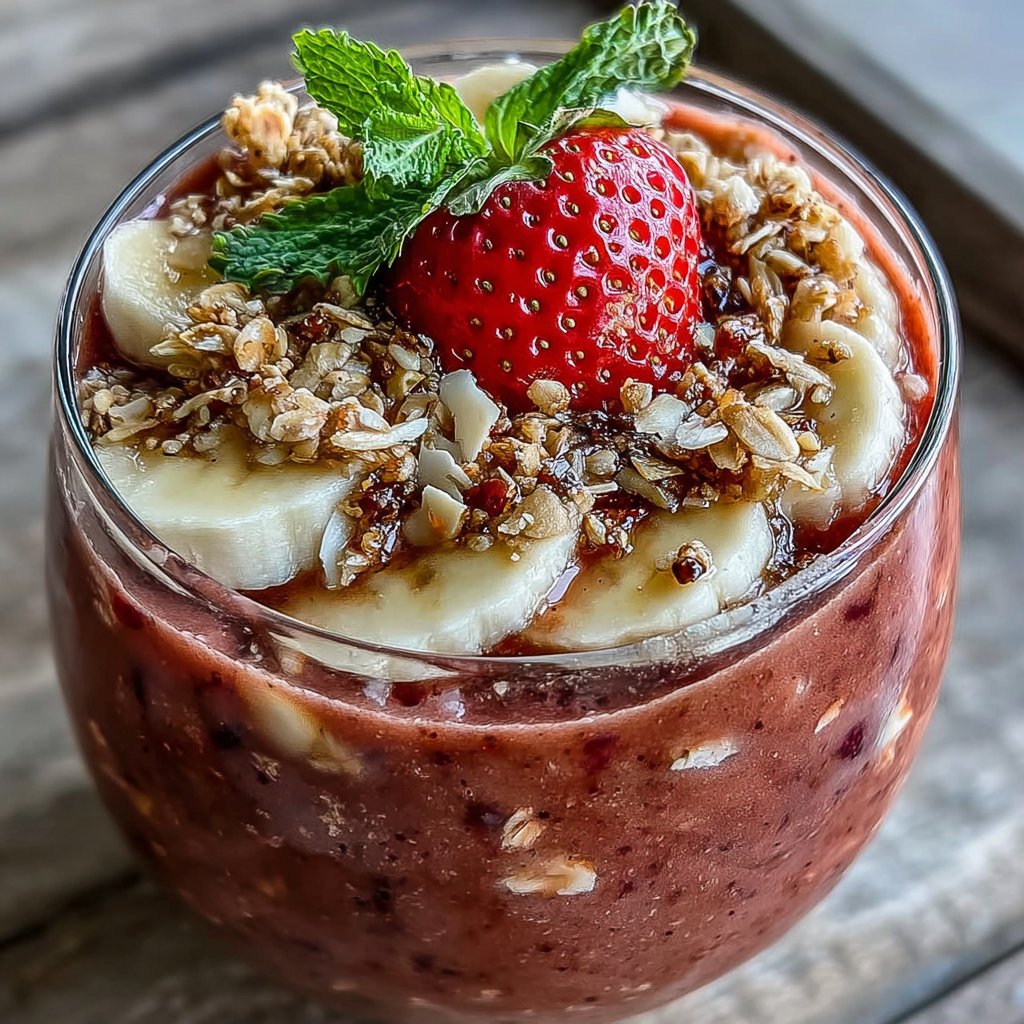
Add any extra toppings like granola or seeds if desired.
Instructions
Follow these steps to create your smoothie.
Prepare the Base
In a blender, combine the frozen banana, spinach, yogurt, and almond milk. Blend on high until smooth.
Add Frozen Fruits
Add your choice of frozen fruit to the blender. Depending on your preference, you may choose to add mango, mixed berries, or pineapple. Blend again until fully combined.
Adjust Consistency
If the smoothie is too thick, add a splash more of almond milk and blend again until you reach the desired consistency.
Serve and Enjoy
Pour into glasses and enjoy immediately. You can top with granola, nuts, or fresh fruit for added texture.
Be sure to enjoy your smoothie fresh, but it's also delicious stored in the fridge for a few hours.
Pro Tips
- Feel free to customize your smoothie by adding flaxseeds or protein powder for an extra health boost.
Make-Ahead Tips
Smoothies can be prepared ahead of time for busy mornings. Consider pre-portioning your fruits into freezer bags, allowing you to grab and blend without any extra preparation. If you want to save time, you can also prepare the base ingredients and store them in the fridge for up to two days. Just remember to blend the contents with your frozen fruits shortly before serving for the freshest taste.
Another make-ahead method is to pour the smoothie into ice cube trays and freeze. These smoothie cubes can then be blended with fresh ingredients later on, saving time and avoiding waste. It’s a perfect solution for ensuring you always have a nutritious smoothie option ready to go.
Storage and Freezing
If you have leftover smoothie, it's best to store it in an airtight container in the refrigerator for up to 24 hours. Keep in mind that the texture and flavor might change slightly, and it may separate as it sits, so give it a good shake or stir before enjoying. I recommend consuming it fresh to enjoy the optimal taste and nutritional value.
For longer storage, you can freeze the smoothie in portioned containers or freezer bags. Scoop out individual servings that can be thawed overnight in the fridge or blended straight from frozen for a thicker, slushy texture. Just ensure to consume frozen smoothies within a month for the best flavor and nutrient retention.
Questions About Recipes
→ Can I use fresh fruit instead of frozen?
Yes, fresh fruit can be used, but adding ice will help reach the same icy consistency.
→ What can I use as a dairy alternative?
Almond milk, coconut milk, oat milk, or even water can replace regular yogurt or milk.
→ How long can I store the smoothie?
Smoothies are best enjoyed fresh, but can be stored in the refrigerator for up to 24 hours.
→ Can I make these ahead of time?
Yes, you can pre-portion your ingredients and freeze them for quicker prep in the morning.
Smoothie Recipes With Frozen Fruit
What You'll Need
Base Ingredients
- 1 banana, frozen
- 1 cup spinach (optional)
- 1 cup yogurt (or plant-based alternative)
- 1 cup almond milk (or any milk of choice)
Frozen Fruits
- 1 cup mixed berries: strawberries, blueberries, raspberries
- 1 cup mango chunks
- 1 cup pineapple chunks
- 1/2 cup peaches, frozen
How-To Steps
In a blender, combine the frozen banana, spinach, yogurt, and almond milk. Blend on high until smooth.
Add your choice of frozen fruit to the blender. Depending on your preference, you may choose to add mango, mixed berries, or pineapple. Blend again until fully combined.
If the smoothie is too thick, add a splash more of almond milk and blend again until you reach the desired consistency.
Pour into glasses and enjoy immediately. You can top with granola, nuts, or fresh fruit for added texture.
Extra Tips
- Feel free to customize your smoothie by adding flaxseeds or protein powder for an extra health boost.
Nutritional Breakdown (Per Serving)
- Calories: 240 kcal
- Total Fat: 6g
- Saturated Fat: 2g
- Cholesterol: 10mg
- Sodium: 180mg
- Total Carbohydrates: 45g
- Dietary Fiber: 5g
- Sugars: 28g
- Protein: 8g